






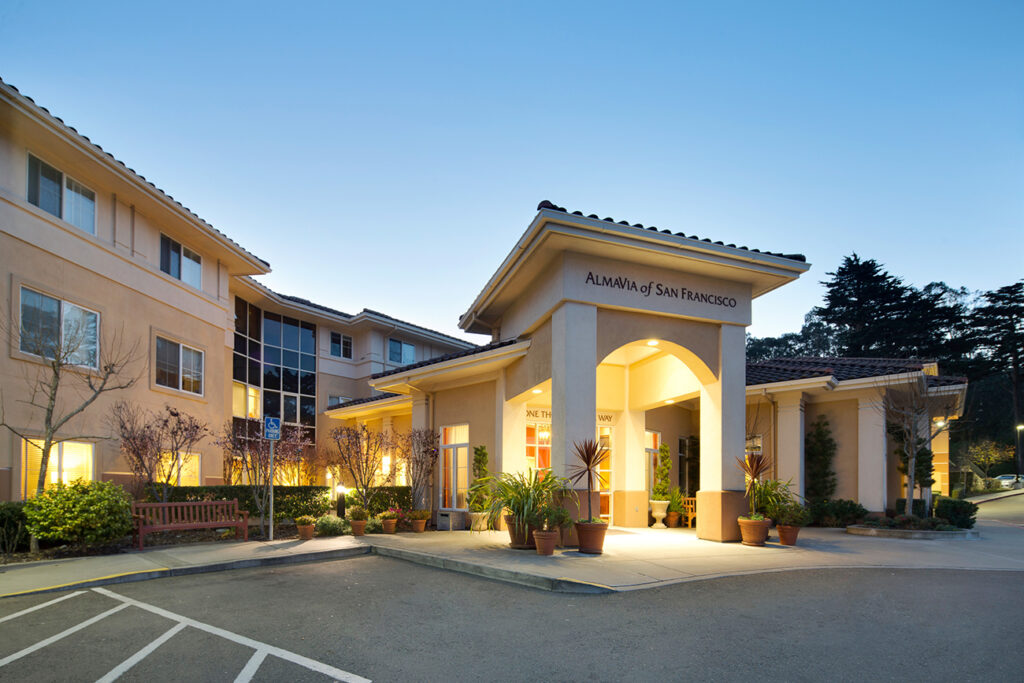
AlmaVia of San Francisco
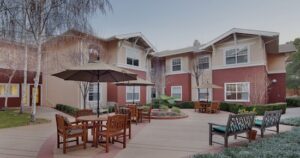
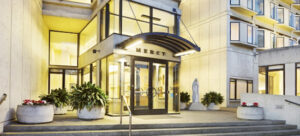
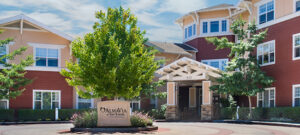
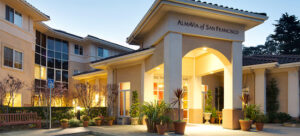
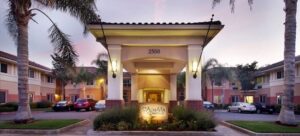
AlmaVia of San Francisco, nestled near Lake Merced, is a picturesque, pet-friendly community offering spacious apartments and amenities that keep seniors active, engaged, and thriving.

Location
1 Thomas More Way,
San Francisco, CA 94132


Contact Us
Senior Living in San Francisco, California
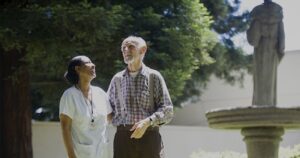
At AlmaVia of San Francisco, residents are encouraged to participate in intergenerational activities at the nearby church or school and take advantage of all our available services, each one grounded in our belief in nurturing the body, mind, and spirit through a holistic approach to wellness.
Award-winning Care

AlmaVia of San Francisco has been awarded Best Assisted Living by US News & World Reports for 2024
AlmaVia of San Francisco named one of the best Memory Care Facilities in or around Marin County by MemoryCare.com for 2022.
AlmaVia of San Francisco is featured in Assisted Living Magazine as one of the best senior living communities in San Francisco, California.
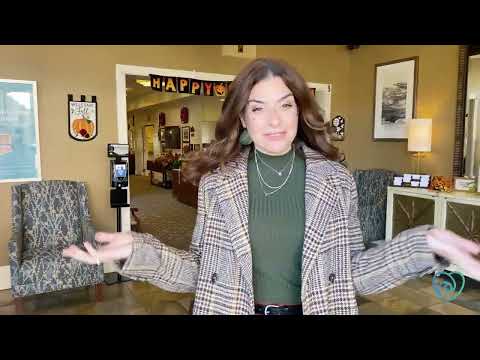

Amenities and So Much More
There is much to explore and enjoy, from our expertly designed senior apartments in San Francisco to our abundant amenities. Enjoying our home-like environment is easy to do, thanks to the opportunities for independence available to our residents — things like making daily choices about meals, finding the activity on our calendar that inspires creativity, and more.
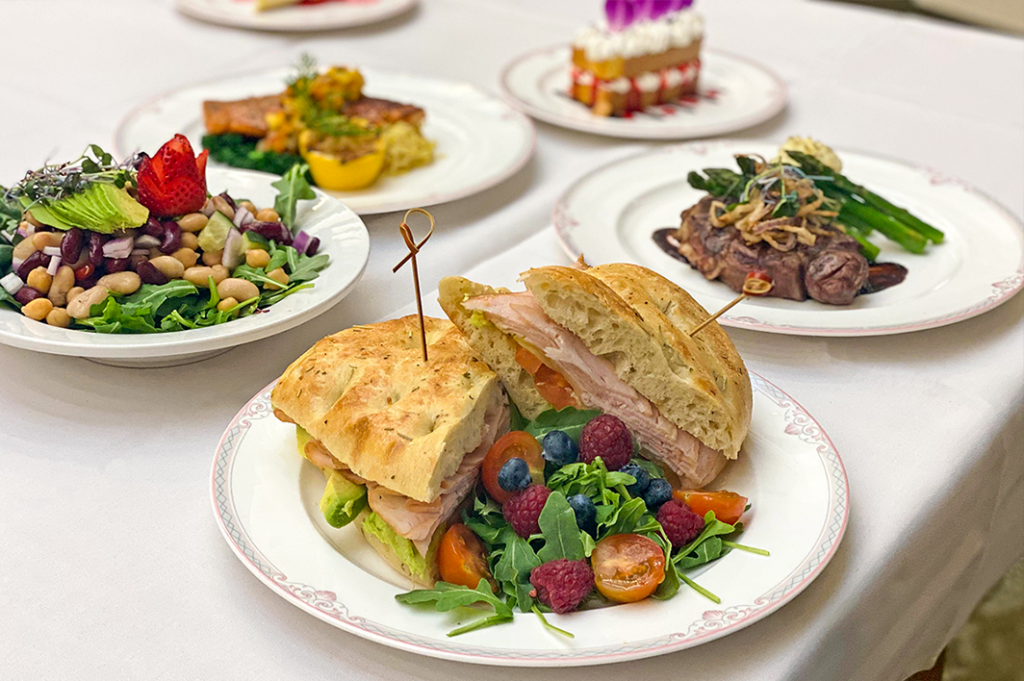
Restaurant-Quality Dining and Nutrition Done Right
Our experienced culinary service teams create menus that emphasize taste, quality, and freshness — and focus on lean protein, whole grains, vegetables, and fruit — while also accommodating most dietary needs. In addition, a registered dietitian supports our dining programs across all communities, ensuring our residents eat well and have the proper assistance if needed.

Communities Where Senior Wellness Means Mind, Body & Spirit
Home is where residents feel most secure and where they’re enabled to be their best. When home is an Elder Care Alliance assisted living community, it means outstanding care that covers all dimensions of wellness in support of a full life.


AlmaVia of San Francisco Residents Enjoy:
Discover the kinds of amenities our residents enjoy every day:
- Delicious, balanced meals in our restaurant-style dining room
- Library & computer lab, available to residents anytime
- Full calendar of activities for all interests
- Lovely grounds and walking paths to enjoy the outdoors
- Mail sorting & receiving
- Spiritual care director available to those of all faiths and belief systems
- Housekeeping & Laundry services
- Beauty Salon
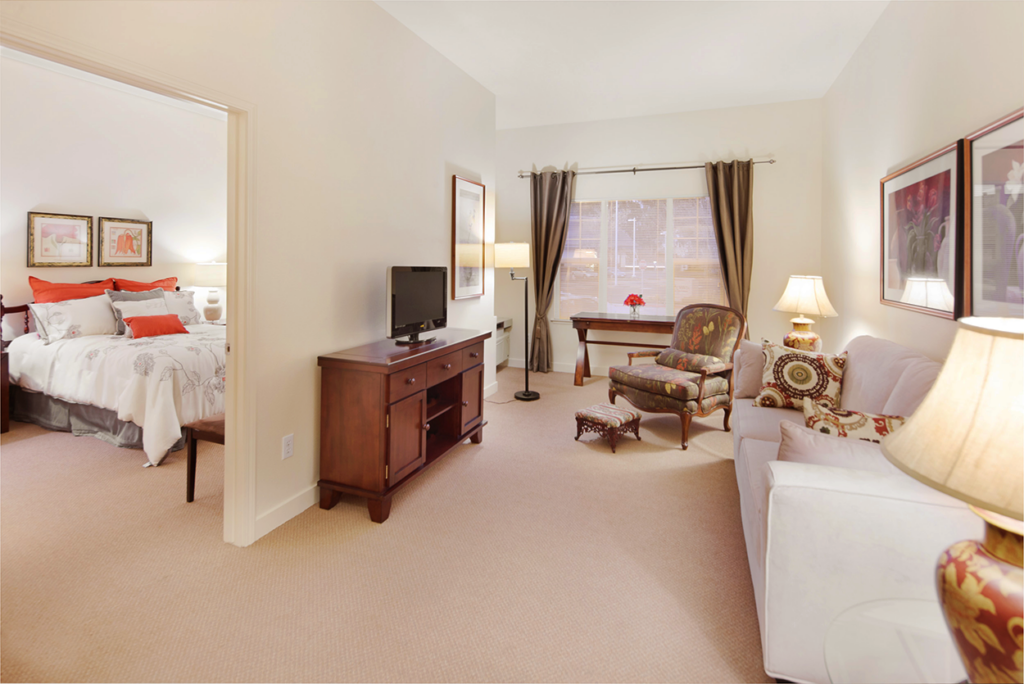
Assisted Living Floor Plans at AlmaVia of San Francisco
In addition to the warm and welcoming atmosphere and services specialized to meet each individual’s needs, our spacious senior living apartment homes allow residents to maintain as much independence as possible while receiving assistance with everyday activities. We offer an array of living spaces to fit each resident’s unique lifestyle and care needs. Find the right fit.
Pricing at AlmaVia of San Francisco
The location, the look, feel, and the levels of care and service provided by a senior living community are all major factors in the decision to move. However, we understand that cost also plays a significant role.
For more information on specific costs, contact us. We’re happy to discuss our prices— and the value we provide — in more detail.
Standard monthly rates include a full array of services, including dining, scheduled transportation, life enrichment, social programs, weekly housekeeping, and laundry, as well as spiritual support.
Assisted Living Standard Monthly Rates
- Apartment homes starting at $7,128*
Memory Care Standard Monthly Rates
- Apartment homes starting at $9,860*
*These rates are intended as an overview of services provided and do not detail all rates, fees, and services. The Residency and Service Agreement provides more details regarding rates and services. Effective March 2024.


All it takes is 5 minutes.
Take our Care Needs Assessment to see if assisted living or memory care is the right fit for you or a loved one.
Visit Today!
Contact us to schedule a visit to AlmaVia of San Francisco
Are you looking for a career? Contact us here.
RCFE Lic #: 385600270
Contact Us For More Information
"*" indicates required fields